Fiberglass resin board, also known as fiberglass-reinforced plastic (FRP) board, is a high-strength composite material that combines the durability of fiberglass with the versatility of thermosetting resins. Renowned for its mechanical stability, corrosion resistance, and lightweight nature, this material has become essential across construction, transportation, electrical, and industrial sectors.
Material Composition and Manufacturing
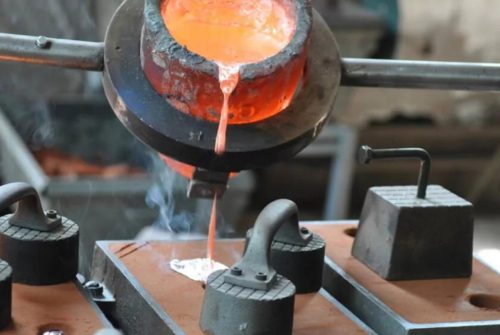
Fiberglass resin boards are manufactured by impregnating woven or chopped glass fiber mats with a thermosetting resin—typically polyester, epoxy, or phenolic resin. The combination is then cured under heat and pressure to form a dense, rigid, and dimensionally stable sheet. The glass fibers act as reinforcement, providing tensile and impact strength, while the resin matrix binds the fibers and offers chemical and moisture resistance.
During production, additional additives such as flame retardants, UV stabilizers, or color pigments can be integrated into the resin system to enhance performance. Surface films or gel coats may also be applied to achieve specific finishes—ranging from high gloss to textured anti-slip surfaces—depending on the intended end-use. Modern fabrication technologies such as continuous lamination and vacuum-assisted molding ensure consistent thickness, fiber dispersion, and structural integrity.
Key Mechanical and Chemical Properties
- High Strength-to-Weight Ratio: Fiberglass resin boards deliver exceptional tensile and flexural strength at only a fraction of the weight of steel or aluminum.
- Corrosion Resistance: The non-metallic composition prevents rusting and chemical degradation, even in marine or acidic environments.
- Electrical Insulation: Excellent dielectric properties make FRP boards suitable for electrical enclosures, switchgear panels, and transformer bases.
- Dimensional Stability: The cured composite maintains its shape under temperature fluctuations and mechanical stress.
- Thermal and Fire Resistance: Proper resin formulations can achieve high flame retardancy and low smoke generation, meeting safety standards such as UL 94 or ASTM E84.
Applications Across Industries
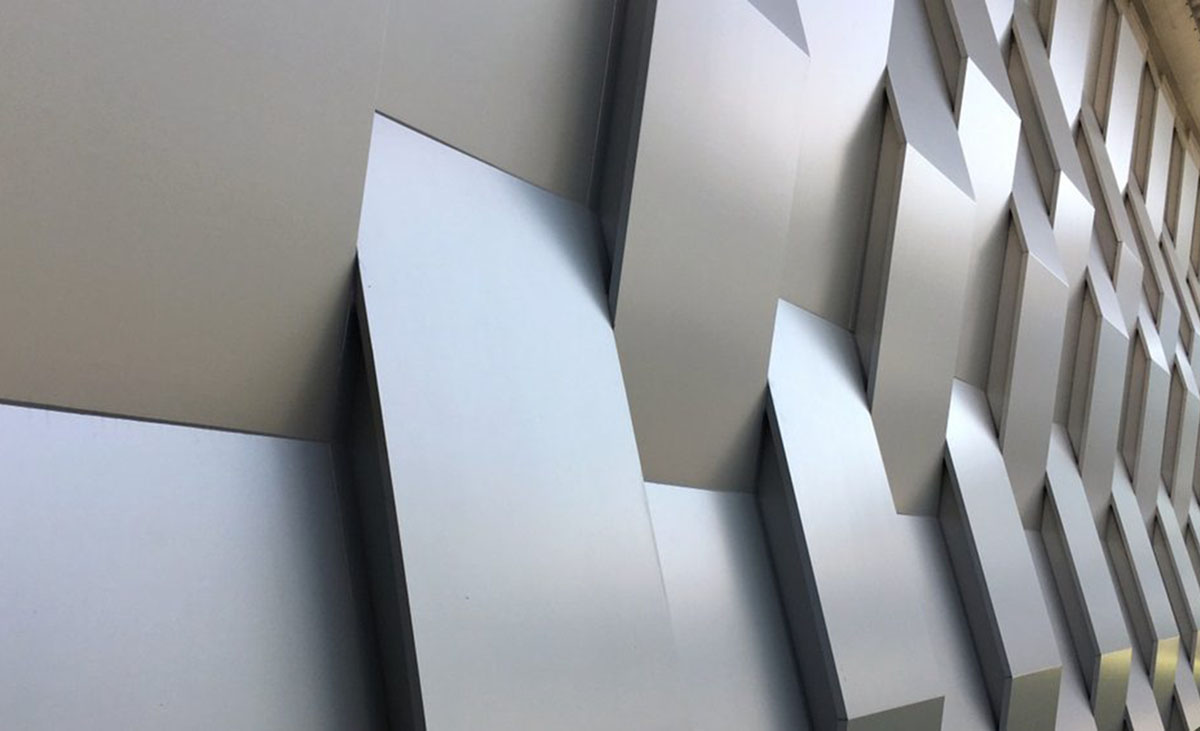
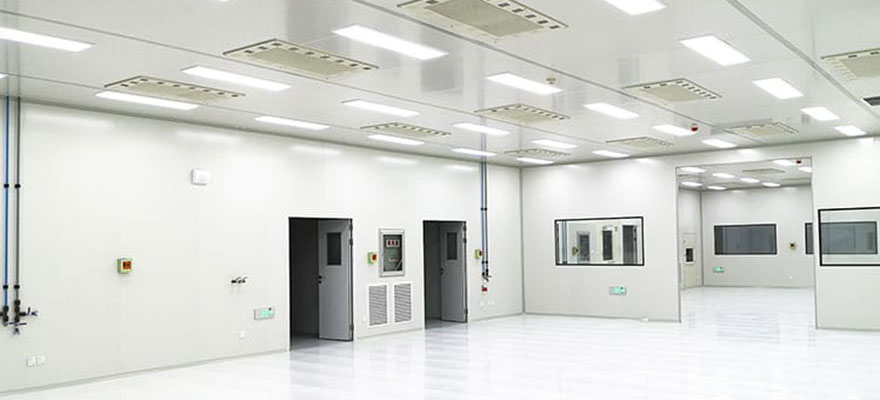
In the construction industry, fiberglass resin boards are used for wall panels, ceilings, partitions, roofing sheets, and cladding systems. Their resistance to moisture, mold, and impact makes them ideal for cleanroom environments, laboratories, and food-processing facilities. In transportation, FRP boards are applied in bus, train, and aircraft interiors where weight reduction directly contributes to fuel efficiency and load optimization.
In the electrical and electronics sector, fiberglass resin laminates such as FR-4 are standard materials for printed circuit boards (PCBs) due to their insulation properties and dimensional stability. In industrial applications, they are used as chemical tank linings, duct covers, cooling tower panels, and anti-corrosion flooring systems. Their adaptability in both structural and aesthetic roles has made them a preferred choice in modern engineering solutions.
Sustainability and Future Development
With the growing emphasis on sustainability, manufacturers are developing bio-based resins and recyclable fiberglass composites to minimize environmental impact. Advanced resin chemistries are targeting lower emissions and improved energy efficiency during curing. Furthermore, automation and digital process control are enabling tighter quality tolerances, while hybrid composites—combining carbon and glass fibers—are being explored for next-generation structural boards with superior stiffness and reduced density.
Conclusion
Fiberglass resin board exemplifies the power of composite materials in delivering lightweight strength, long-term durability, and environmental resilience. Its combination of mechanical performance, chemical resistance, and design flexibility continues to expand its role in architecture, industry, and high-tech manufacturing. As innovation in composite science progresses, fiberglass resin boards will remain a cornerstone of sustainable, high-performance material engineering for decades to come.